Guides
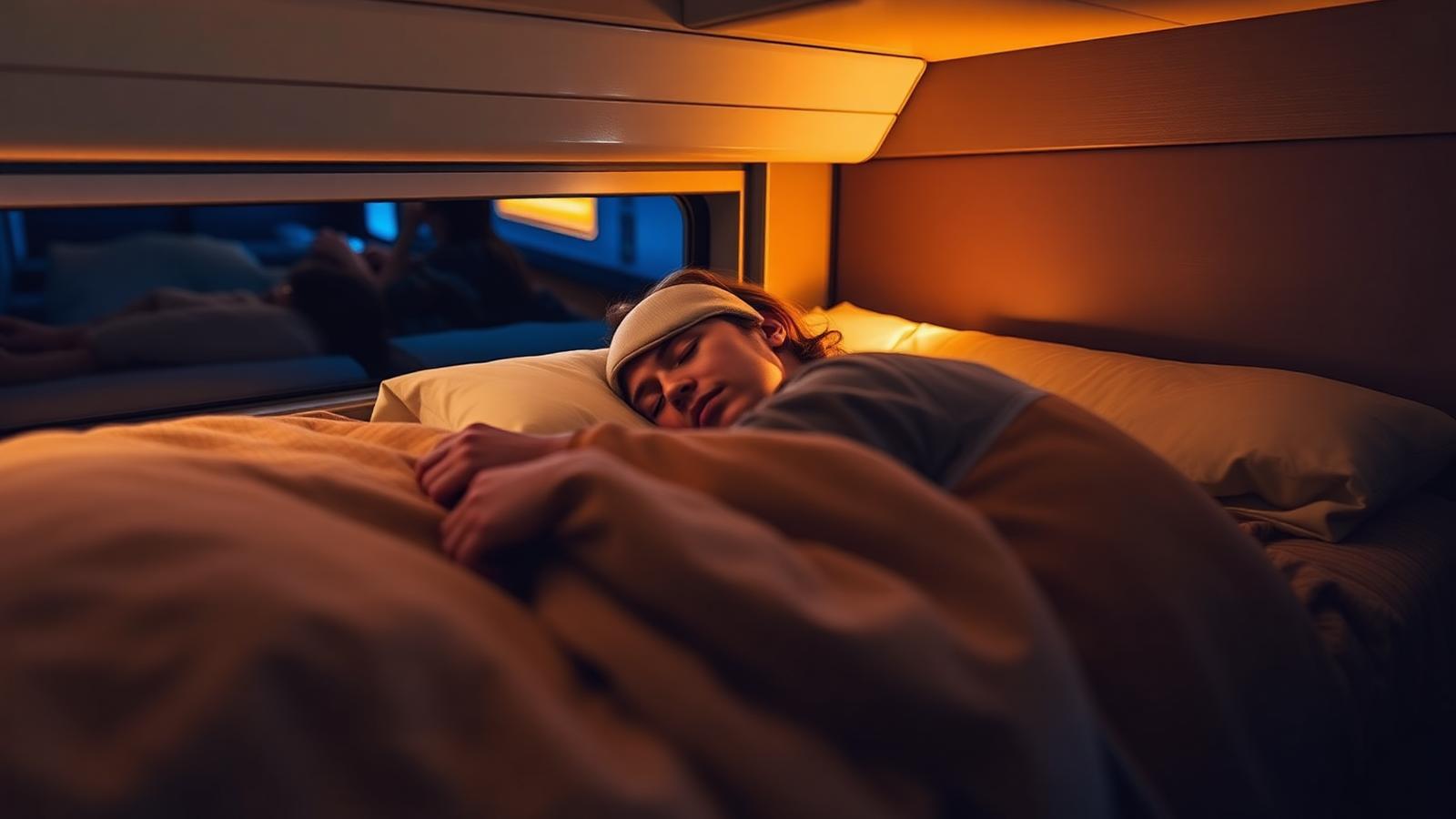
Sleeping better on a night train: 12 practical tips
From choosing the right berth to temperature, noise and a bedtime routine.
Choose the right berth
Carriages ride most smoothly in the middle; above the bogies you hear the most wheel noise. Ask for a berth mid-carriage when booking.
The lower berth is easier to get in and out of but people pass by. The upper is quieter and more private, though warmer and awkward for night-time toilet trips.
Pack the right things
Earplugs and an eye mask make the biggest difference, plus a thin extra layer, a water bottle and a small towel.
Couchette bedding is provided but thin. A scarf or light fleece as an extra blanket or pillow works well.
Temperature and air
Heating is often adjustable per compartment but reacts slowly. Set it at departure rather than in the middle of the night.
Dress in layers: it is often too warm early on and cools noticeably towards morning.
Rhythm and border checks
Go to sleep at your usual bedtime; the first hours are noisiest as the train still calls at stations.
At borders a conductor or officer may ask for your passport. Keep documents within reach.
Frequently asked questions
+Which berth sleeps best?
An upper berth mid-carriage is usually the quietest and most private.
+Is bedding included?
Yes in couchettes and sleepers — sheet, pillow and blanket. Not in seated carriages.
+Can I shower on board?
Only in certain sleeper compartments. Couchettes and seats have washing facilities near the toilet only.
All journey times are indicative. Always check the current timetable with the operator.
Guides